Political corruption has never been an issue with how the government functions in one nation. It is a global force that impacts millions of people, makes places less stable, and initiates violent conflicts. Corrupt leaders, hidden groups, and personal ambition collectively transform political institutions into destructive engines. Greed replaces responsibility, necessitating battles that should never have happened. To understand why certain conflicts linger long after their moral or strategic purposes have gone, it’s necessary to know how political corruption fuels war.
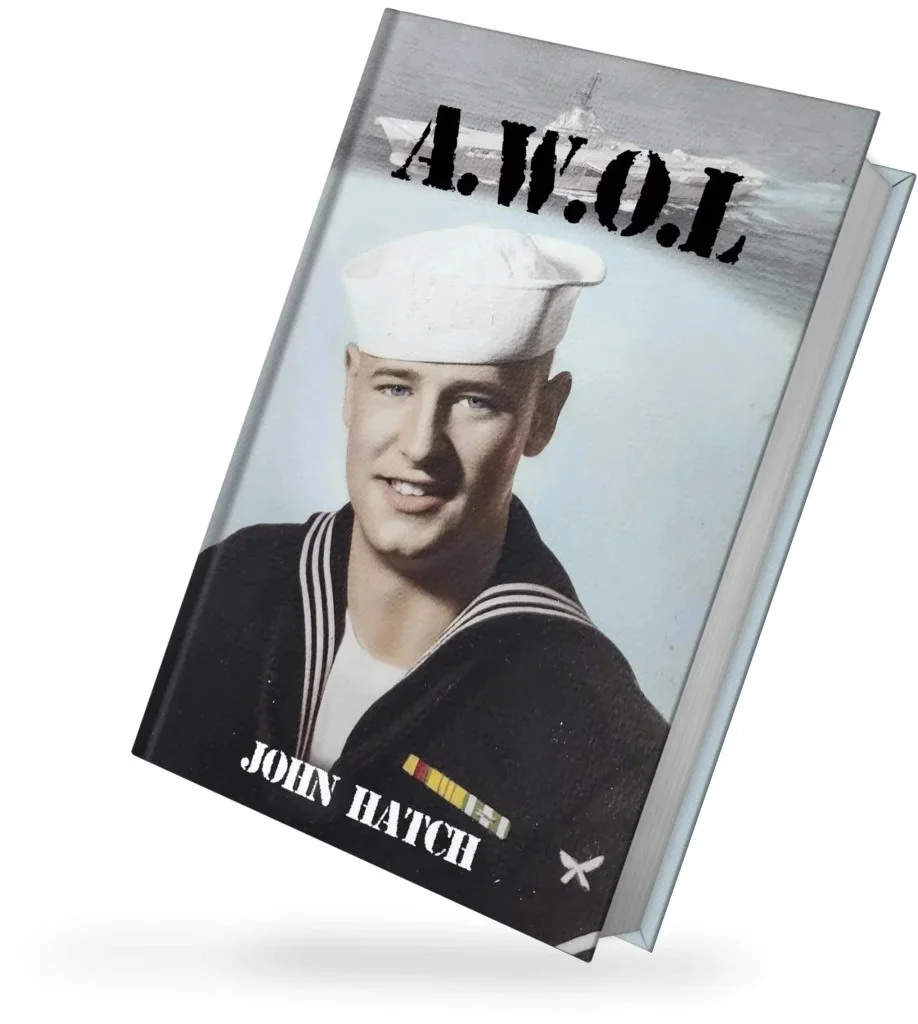
Historical anecdotes, like the ones in John Hatch’s stunning book A.W.O.L., warn us that unchecked power may have terrible effects. There are other places where war is fought besides battlefields. It is made in secret rooms where the elite’s interests trump the people’s will.
The Hidden Economics of War
Money is needed for conflict, and money often comes from areas that aren’t very trustworthy. Illicit financing becomes the hidden lifeblood of war. Politicians and ordinary citizens use shadow networks to provide money to military intervention as resources that aid them or their businesses.
These arrangements lead to war profiteering, which is when someone makes a lot of money at the cost of regular people. The prices of defense contracts are too high. Weapons are going into areas that are already unstable. Politicians receive additional financial benefits. Meanwhile, troops and civilians endure a great deal of bloodshed and suffering.
John Hatch’s A.W.O.L. discusses how soldiers become disillusioned when they learn that the war they are fighting is for political and financial gain, not national security. In these stories, those unaffected by the wars they initiate use patriotism as a weapon.
War Corruption, and Governance Failure
Corruption has a difficult time affecting national security choices when there are robust institutions in place. When there is a lot of governance failure, war becomes a beneficial choice for those in charge. Leaders embroiled in scandals often resort to overseas wars as a means of evading domestic accountability.
This strategy has been used throughout contemporary history:
- Military crises were utilized to silence criticism.
- Patriotism is used as a political shield.
- Punishment for dissent is treason.
People in these situations lose trust in their leaders. People stop trusting the government. Democracy has turned into a show instead of a practice. The effects spread out, making nearby nations less stable and increasing the war risk over whole areas.
The Human Cost of Greed
Wars make some individuals rich, but they also hurt many families. Veterans question the righteousness of their sacrifices. Communication bombs have the potential to destroy entire communities. Generations will have to cope with both mental and financial problems.
John Hatch’s representation in A.W.O.L. looks at how people feel when they find out about the deep levels of corruption that exist in war. When service veterans return home, they frequently look for purpose, only to find out that their commitment was used for political benefit. The book reveals that those who hold the highest regard for national principles bear the brunt of corruption.
Corruption never makes a war righteous. Corruption represents theft on the largest scale imaginable.
How War Profiteers Manipulate Policy
People and businesses that make money from conflict are commonly called war profiteers. Their plan is simple: keep old fights going or start new ones if earnings fall.
They influence policy through the following methods:
- Giving money to politicians and lobbying
- Changing the stories in the media
- Making the war risk seem bigger to justify expenditure
- Giving all sides of a fight superior weaponry
This cycle makes sure that peace is detrimental for business. Return on investment, not strategic rationale or human rights results, is what matters when making policy choices.
When lawmakers let private contractors and military industry billionaires make decisions about public policy, war corruption grows. Decision-makers continue to escape accountability, believing that the economic benefits surpass the ethical transgressions.
Military Intervention as a Tool for Personal Power
Military intervention is often presented as a humanitarian need. Sometimes, involvement is necessary to stop genuine crimes. But corruption uses intervention to gain political power.
Some examples are:
- Increasing a leader’s power outside of their own country
- Getting access to natural resources
- Making ties stronger with rich defense partners
- Diverting attention away from the shortcomings of the government at home
There is no clear civilian control of these actions. The outcome is predictable. People die for short-term political gain.
In A.W.O.L., John Hatch criticizes this tactic by saying that troops want clear strategies and moral validity. The troops are not involved in making policies or generating profit. They want to safeguard their country, but others who exploit the military for their gain have illicit motivations.
A.W.O.L.: A Literary Reminder of Accountability
You must read John Hatch’s A.W.O.L., a cautionary tale based on real life. It tells people to face harsh truths:
- Power abused for personal gain diminishes life.
- People who serve deserve respect and honesty.
- People need to ask themselves why their countries go to war and who gains from it.
Readers who want to read more books that question political narratives and look at the moral cost of war may locate them via A.W.O.L.
They can also look at the best historical non fiction books to see what else is being talked about in the literary world.
Demanding Ethical Leadership: Conclusion
War will never completely go away from world politics. But society can stop unfairness, unnecessary violence, and exploitation by holding people accountable. Open military expenditures, laws limiting lobbying, fair elections, and independent journalists form the foundation of a democratic system resistant to corruption.
People need to understand that corruption doesn’t only take money. It takes away serenity from future generations. A missile or a sophisticated drone is not the most lethal weapon on any battlefield. It is power that is not checked.
The legacy of efforts like A.W.O.L. is to remind people that their moral compass should guide judgments about national security. When greed takes the place of morals, war is no longer a necessary evil; it is an avoidable tragedy.
FAQs
What are armed conflicts?
Armed conflicts are organized and ongoing fights between two or more groups that use weapons and military force. These groups can include national armies, rebel forces, militias, or foreign powers.
What is military intervention?
Military intervention happens when a country sends its troops into another country on purpose. This is usually done to influence politics, protect national interests, or address security problems.
What is war profiteering?
War profiteering is when people, companies, or politicians take advantage of war to make money. It’s considered unethical and unfair.
What are the effects of political corruption?
Political corruption damages democracy, reduces public trust, replaces fairness with favoritism, and weakens the economy. It also increases inequality and lowers the quality of public services like education, healthcare, and infrastructure.
What is the main cause of government corruption?
The main cause of government corruption is too much power in the hands of a few people without proper oversight. When officials can control resources and make major decisions with little accountability or transparency, corruption grows.