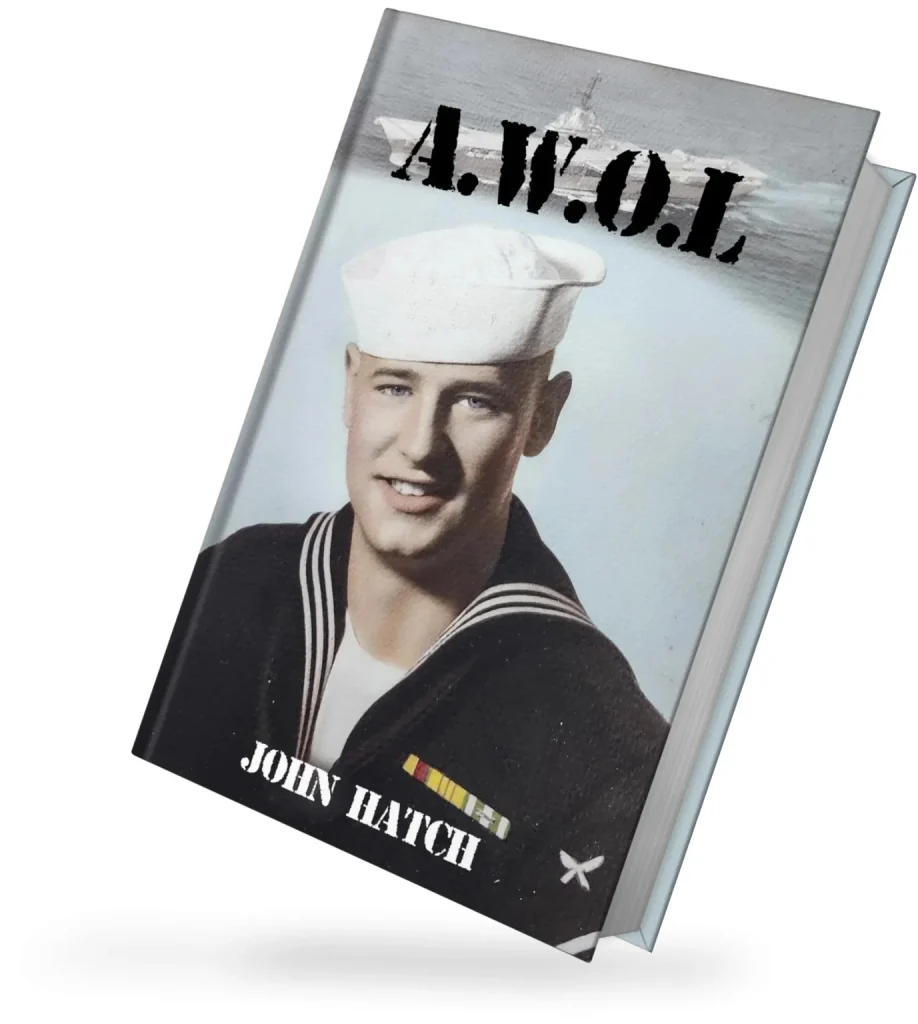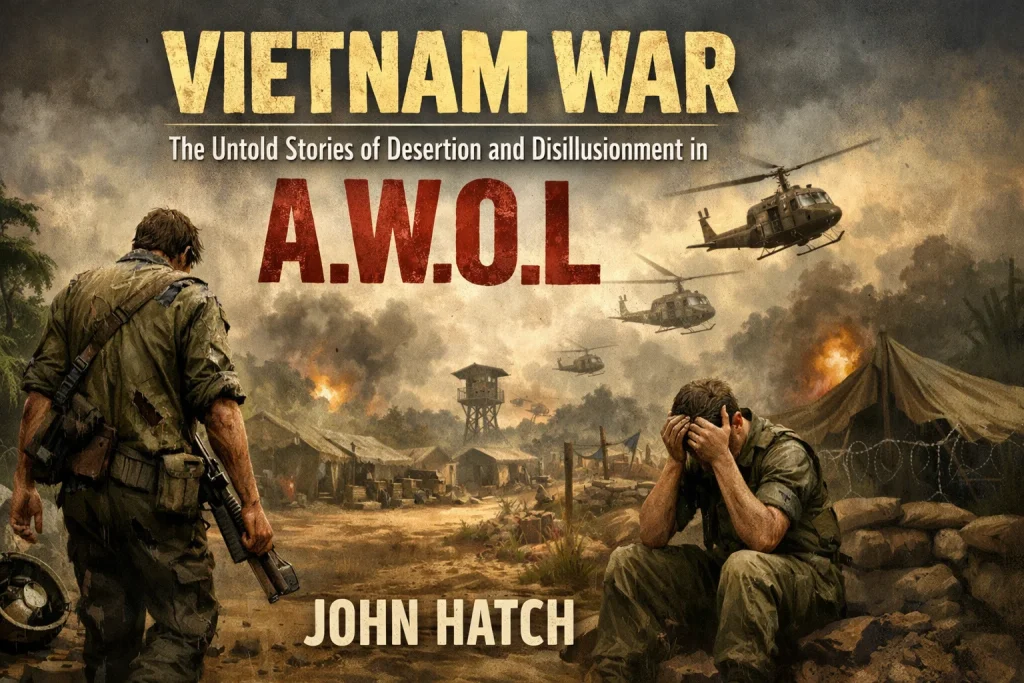
Battles, politics, and headlines are often used to tell the story of the Vietnam War. However, a lot of tales were set distant from the front lines. They developed inside soldiers’ thoughts as they pondered meaning, morality, and commands. A.W.O.L. by John Hatch bravely and honestly raises those voices that have been silenced.
This is not only a history book. It is a desertion story with roots in conscience, awareness, and dread. The author writes simply and clearly, giving the experience a sense of immediacy and personal connection. In addition to providing lessons that are still relevant today, his work sounds like the finest book in protest of the Vietnam War.
A Different Perspective on the Vietnam War
Combat is the main emphasis of most Vietnam War accounts. The focus is shifted to internal strife by A.W.O.L. It looks at what occurs when faith in a cause starts to waver. Hatch examines Desertion and Disillusionment without passing judgment. Why did young men feel torn between duty and truth, he asks?
The emotional toll of ongoing strain is shown in the novel. Soldiers experienced identity loss, moral pressure, and disorientation. These incidents strengthened opposition and influenced the antiwar movement. Because of this, many readers today consider A.W.O.L. to be the best book about the Vietnam War protest.
Desertion as a Human Response
John Hatch does not portray abandonment as a sign of weakness. He portrays it as a human reaction to anarchy. His desertion story demonstrates how introspection may result from anxiety. Change then results from reflection.
Among the main topics covered are:
- Conflict over morality during a war
- The price of mindless compliance
- Personal truth is the source of courage.
This strategy establishes A.W.O.L. as one of the most significant Vietnam War protest book titles. It appeals to those who prefer subtlety to catchphrases.
Why A.W.O.L Matters Today
Conflicts today are still influenced by the Vietnam War. Readers may better grasp how dissent develops within obedience-based systems by reading A.W.O.L.
The book appeals to those who respect:
- Having moral bravery instead of mindless allegiance
- Individual truth over official record
These themes link A.W.O.L. to well-known protest books such as A.W.O.L by John Hatch. Systems that require sacrifice without accountability are questioned by both.