Action is a common theme in war stories. A truly historical nonfiction book, however, delves further. It depicts feelings, decisions, and outcomes. During particularly heated times, such as the Vietnam War, it helps readers understand the human side of conflict.
Few reports examine what goes on within a soldier’s head, even though many depict combat. This is where strong storytelling makes a difference. In this way, it connects history with real human experience.
Understanding Vietnam War Struggles Through Historical Nonfiction Books
The Vietnam War was not just about combat. It was about confusion, fear, and survival. Many soldiers faced emotional battles that were even stronger than physical ones.
A well-written historical nonfiction book helps readers see this reality clearly. As a result, it transforms facts into real-life experiences.
The Significance of These Tales
- Reveal the psychological toll that war takes
- Help readers in comprehending actual human choices
- Use your own experiences to preserve history
- Create empathy for those who lived through it
As a result, readers who are interested in more than just dates and events continue to be drawn to historical nonfiction books.
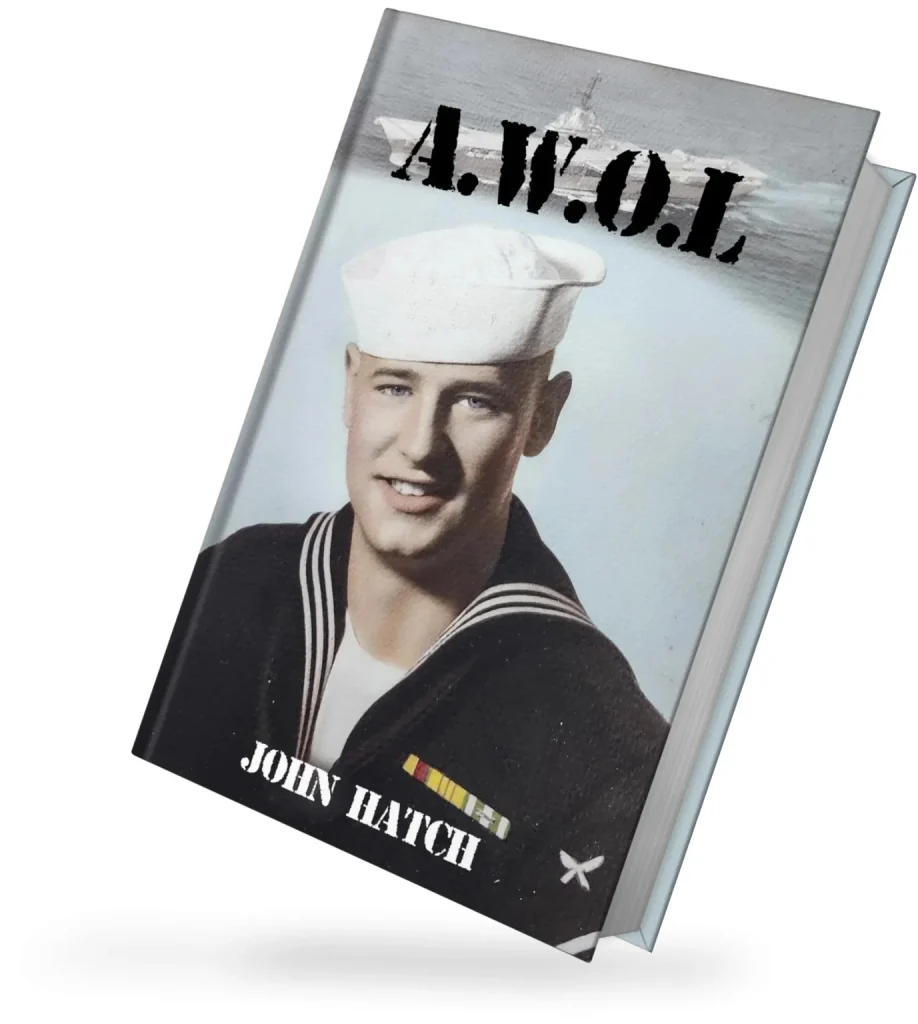
A.W.O.L by John Hatch: A Story Beyond War
Among many war narratives, A.W.O.L by author John Hatch stands out as a historical nonfiction book about a sailor’s Vietnam War struggles. It examines emotional conflict rather than merely action.
The story follows a sailor dealing with pressure, fear, and inner turmoil. As a result, readers see how war affects not only the body but also the mind.
Unlike traditional war stories, it focuses on choices. It shows what happens when a person reaches their breaking point. As a result, the story is relatable, even for those who have never experienced war.