Why A.W.O.L Stands Out Among The Best War Memoirs About Duty, Doubt, And Survival?

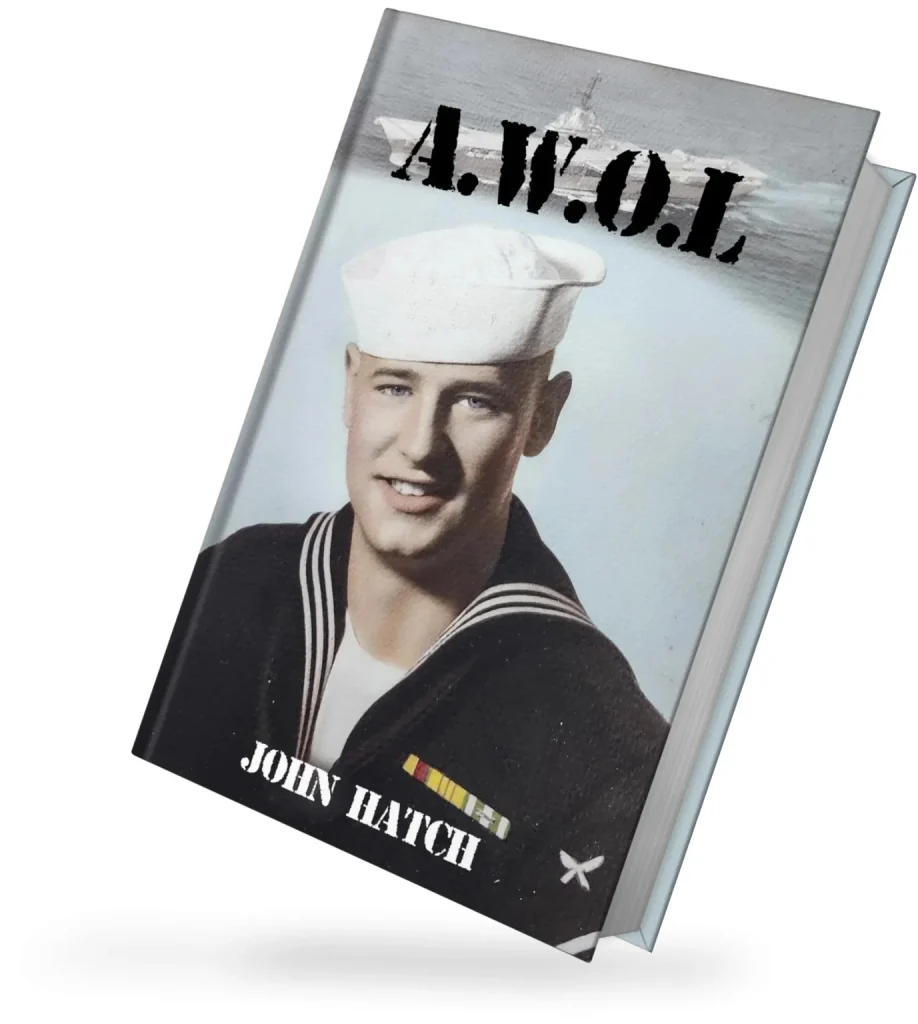
War memoirs often arrive wrapped in medals, missions, and battlefield thunder. A.W.O.L  by JOHN HATCH moves differently.

Among the best war memoirs, it stands out because it begins with uncertainty, not glory, and follows a young sailor learning the cost of conscience.

The book opens in the Vietnam War era, yet its real battlefield is internal. The narrator faces duty, family pressure, love, fear, and the heavy question every young person asks when history pushes them forward: What am I doing here?

A Memoir That Begins Before the War Begins

The manuscript makes its purpose clear early: “This book is about one person’s journey.” That line matters because A.W.O.L is not simply about leaving the Navy. It is about becoming honest enough to question why obedience feels wrong.

John Hatch writes through the eyes of a young man from Indiana, pulled between his father’s belief in service and his own doubts about Vietnam. That tension gives the book its pulse.

Readers see:

  • a son trying to honor his family
  • a sailor facing a military world he cannot trust
  • a young man losing love, safety, and certainty at once

These layers make the memoir feel intimate rather than distant.

Why It Belongs With The Best Vietnam War Memoirs

Many Vietnam-era books focus on combat. A.W.O.L explores the atmosphere around combat: the fear before deployment, the confusion among young servicemen, and the moral fog surrounding the conflict.

The USS Yorktown scene captures this beautifully. The ship rises from the Long Beach fog like a gray monster, and the narrator realizes the Navy is no longer a polished boot-camp promise. It is real, huge, and frightening.

This is where this best Vietnam War memoir becomes gripping. Duty is present, but so is doubt. The narrator does not run from discomfort because he is careless. He runs because his conscience and survival instincts collide.

The Human Cost Behind a Uniform

A.W.O.L understands that soldiers and sailors are not symbols. They are sons, lovers, dreamers, musicians, frightened kids, and flawed humans trying to survive institutions bigger than themselves.

Mary’s story adds emotional weight. Her pregnancy, family pressure, and eventual distance show how war reaches far beyond barracks and ships. It rearranges private lives before anyone fires a shot.

That is why A.W.O.L  by JOHN HATCH does not feel cold or mechanical. It carries heartbreak in ordinary details: a phone booth, a dead line, a class ring returned, and a young man realizing the future he imagined has shattered.
best book about the vietnam war protests

A.W.O.L. and the Best War Memoirs About Duty And Survival

The best war memoirs about duty and survival do not simply ask what happened. They ask what it meant. In this book, duty is never simple. Survival is not heroic in the polished sense. Sometimes survival means hunger, shame, fear, and sleeping outside.

The Hollywood USO chapters are especially revealing. The narrator finds temporary shelter among other military men, some equally scared, some hiding, some waiting for Vietnam.

The book shows survival through small, raw moments:

  • finding food wherever possible
  • staying calm around Shore Patrol
  • learning who can be trusted
  • wondering whether going back is worse than running

These scenes make A.W.O.L  by JOHN HATCH feel lived-in, tense, and painfully human.

A Different Kind of Courage

Courage in A.W.O.L is not loud. It does not always wear a clean uniform. Sometimes it appears as a question. Sometimes it appears as a refusal. Sometimes it appears as regret.

Author John Hatch does not present himself as flawless. That honesty helps the book breathe. He admits confusion, fear, desire, anger, and mistakes. Because of that, readers do not meet a manufactured hero. They meet a person.

This is one reason the memoir works so well. It never asks readers to agree with every choice. It asks them to understand the pressure behind the choice.

Among The Best War Memoirs About The Vietnam War Era

The Vietnam War era was not only fought overseas. It was argued at kitchen tables, carried in newspapers, whispered in phone calls, and felt in the bodies of young men waiting for orders.

A.W.O.L captures that national unease without turning into a lecture. It lets scenes carry meaning. A father discusses military service. A sailor looks at a ship. A.W.O.L men sit together, frightened by what comes next.

Those images give the book its lasting power. Its finest pages feel less like history than a confession whispered from the edge of memory itself today.

Why This Book Still Matters

A.W.O.L matters today because its questions remain alive. 

When should a person obey? 

When should a person doubt authority? 

What happens when patriotism, fear, and morality pull in different directions?

For readers looking for the best war memoirs, this book offers more than military history. It offers a portrait of conscience under pressure.

It also gives modern readers a way to understand the emotional climate of the 1960s without needing complicated language or political background. The story is accessible because it is personal.

The Final Impression

A.W.O.L is memorable because it does not glamorize war or rebellion. It studies the fragile space between the two. The result is a memoir about a young man trying to survive his country, his choices, and himself.

That is what makes it worth reading. It leaves the reader with a quiet ache and a serious question: when the world demands obedience, how does a person protect the truth inside them?

FAQS

Is A.W.O.L a Vietnam War memoir?

Yes. A.W.O.L is set in the Vietnam War era. It explores the influence of the war on military service, personal doubt and moral pressure.

No. It is also about love, family, conscience, fear, youth, regret, and the painful process of becoming honest with oneself.

The book shows duty through Navy service and family expectation, while doubt appears in the narrator’s questions about Vietnam, authority, and obedience.

Yes. This book is a raw, personal story that goes beyond battles and the person in the uniform; it’s a book that military memoir fans will enjoy.

It addresses timeless questions of conscience, authority, patriotism, survival, and what happens when a person must choose between obedience and truth.

Leave a Reply

Your email address will not be published. Required fields are marked *

Summary

A.W.O.L explores duty, doubt, love, and survival through one sailor’s haunting Vietnam-era journey of conscience.

Book Trailer

Contact us

Recent Post